- Enseignant: khelifa maamri


Dans la diversité du monde vivant, la biodiversité des plantes cultivées fournit aux sociétés humaines des ressources dont l’importance est de plus en plus prise en compte, y compris et au- delà de son rôle de réservoir de gènes d’intérêt.
L’objectif de cette UE est de présenter les facteurs naturels et anthropiques agissant sur la biodiversité des plantes cultivées, ainsi que les méthodes utilisées pour caractériser et conserver la biodiversité végétale.
- Enseignant: lynda loucif
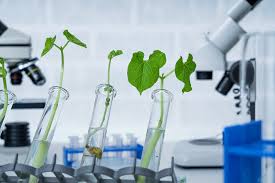
Introduction to Crops Protection: A Multidisciplinary Scientific Approach
Plant protection is a fundamental pillar of agricultural sciences, aimed at safeguarding crop health, ensuring food security, and maintaining ecological balance. As global populations rise and climate change alters pest dynamics, the scientific management of harmful organisms has become increasingly complex. This field integrates several specialized disciplines, each focusing on specific categories of biotic threats that can compromise plant productivity and quality.
1. Malherbology (Weed Science)
Malherbology, commonly referred to as Weed Science, is the study of "bad plants" or weeds—vegetation that grows where it is not wanted, often in direct competition with cultivated crops. Weeds compete for essential resources such as light, water, and nutrients, and can also serve as alternative hosts for pathogens and insects. Scientific research in malherbology focuses on weed biology, ecology, and the development of integrated management strategies, including mechanical, biological, and chemical control (herbicides), while addressing the growing challenge of herbicide resistance.
2. Phytopathology (Plant Pathology)
Phytopathology is the scientific study of plant diseases caused by pathogens (infectious organisms) and environmental conditions (physiological factors). The primary agents of plant disease include:
• Fungi and Oomycetes: The most common causes of crop loss.
• Bacteria: Often causing wilts, blights, and rots.
• Viruses and Viroids: Frequently transmitted by insect vectors.
• Nematodes:Microscopic worms that typically attack root systems.
Phytopathologists examine the mechanisms of infection, host-pathogen interactions, and the epidemiology of diseases to develop resistant cultivars and effective treatment protocols.
3. Agricultural Entomology (Invertebrate Pests)
Agricultural Entomology is the branch of science concerned with the study of insects and other arthropods that impact agricultural production. While many insects are beneficial (e.g., pollinators and natural enemies), a significant number are considered invertebrate pests. This category also includes Acarology, the study of mites and ticks.
• Insects: Pests such as aphids, beetles, caterpillars, and locusts damage plants through direct feeding (chewing or sucking) or by acting as vectors for plant viruses.
• Mites:Microscopic arachnids like spider mites can cause severe chlorosis and defoliation in various crops.
Entomological research focuses on pest life cycles, population dynamics, and the implementation of Integrated Pest Management (IPM) strategies, including biological control, pheromone traps, and selective insecticides.
4. Malacology in Agriculture
While Malacology is the broader study of mollusks, its application in plant protection focuses on terrestrial gastropods, specifically snails and slugs. These organisms can cause significant damage to seedlings, leafy vegetables, and fruit crops by consuming plant tissue and leaving slime trails that reduce marketability. Agricultural malacology involves monitoring population dynamics and implementing control measures such as molluscicides, biological control agents (e.g., predatory nematodes), and cultural practices to mitigate their impact.
5. Vertebrate Pests
Vertebrate pests encompass a wide range of animals with backbones that cause economic damage to agriculture. This category includes:
• Rodents: Such as rats, mice, and voles, which consume seeds and damage stored products.
• Birds: Which can devastate grain crops and orchards.
• Large Mammals:Including deer or wild boars that trample or graze on crops.
The management of vertebrate pests requires a balance between crop protection and wildlife conservation. Strategies often involve habitat modification, exclusion (fencing), repellents, and, when necessary, population control, always adhering to ethical and environmental regulations.
- Enseignant: dahou moutassem
- Enseignant: أمال أعراب
- Enseignant: dahbia tabti