This course takes the user from the first line of code to automating analyses in three parts. Part 1 covers Python basics: variables, operations, tests, loops, modules, files, lists, dictionaries, and tuples. Part 2 teaches automation: managing files, analyzing data with pandas, drawing charts, sending e-mails, calling web APIs, scraping web pages, and building simple windows. It ends with a mini-project that produces PDF and Excel reports. Part 3 reproduces advanced Excel features in Python: macros, PivotTables, histograms, bar and radar charts, IF, VLOOKUP and Solver. Every concept is explained step by step, with examples, common mistakes, and exercises with solutions. Appendices add a cheat sheet, an error guide, a glossary, and a six-week revision plan.
- Enseignant: wahiba slimani
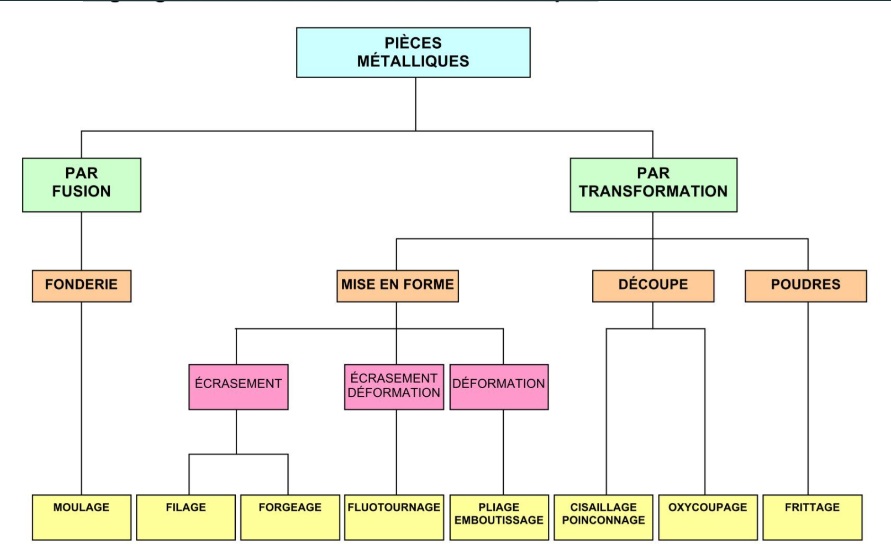
Les techniques de mise en forme des matériaux ont pour objectif de donner une forme
déterminée au matériau tout en lui imposant une certaine géométrie, afin d'obtenir un objet
ayant les propriétés souhaitées. Les techniques de mise en forme diffèrent selon les matériaux.
Pour les métaux, les principaux procédés sont : le Forgeage, la Fonderie, le Frittage,
l’Emboutissage.
Dr. Djendel Mokhtar
- Enseignant: mokhtar djendel
This lab manual is organized into brochures that open with lab rules and an overview table. Each lab states its objectives and lists the files to hand in. Part A includes guided activities with code to type and the expected output. Part B includes exercises with hints and blank boxes for the student’s code. Part C includes comprehension questions, followed by a bonus and a self-assessment checklist.
- Enseignant: wahiba slimani