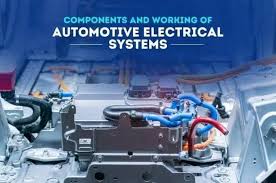
Electrical power and control signals must be delivered to electrical devices reliably and
safely. This goal is accomplished through careful circuit design, prudent component
selection, and practical equipment location. By carefully studying this module, you will
understand how these circuits work and the adjustments and repairs required to
maintain the electrical systems in peak condition.
- المعلم: Abdelhakim Mabrek
Comprehensive Course Summary: The Automotive Measurement Chain
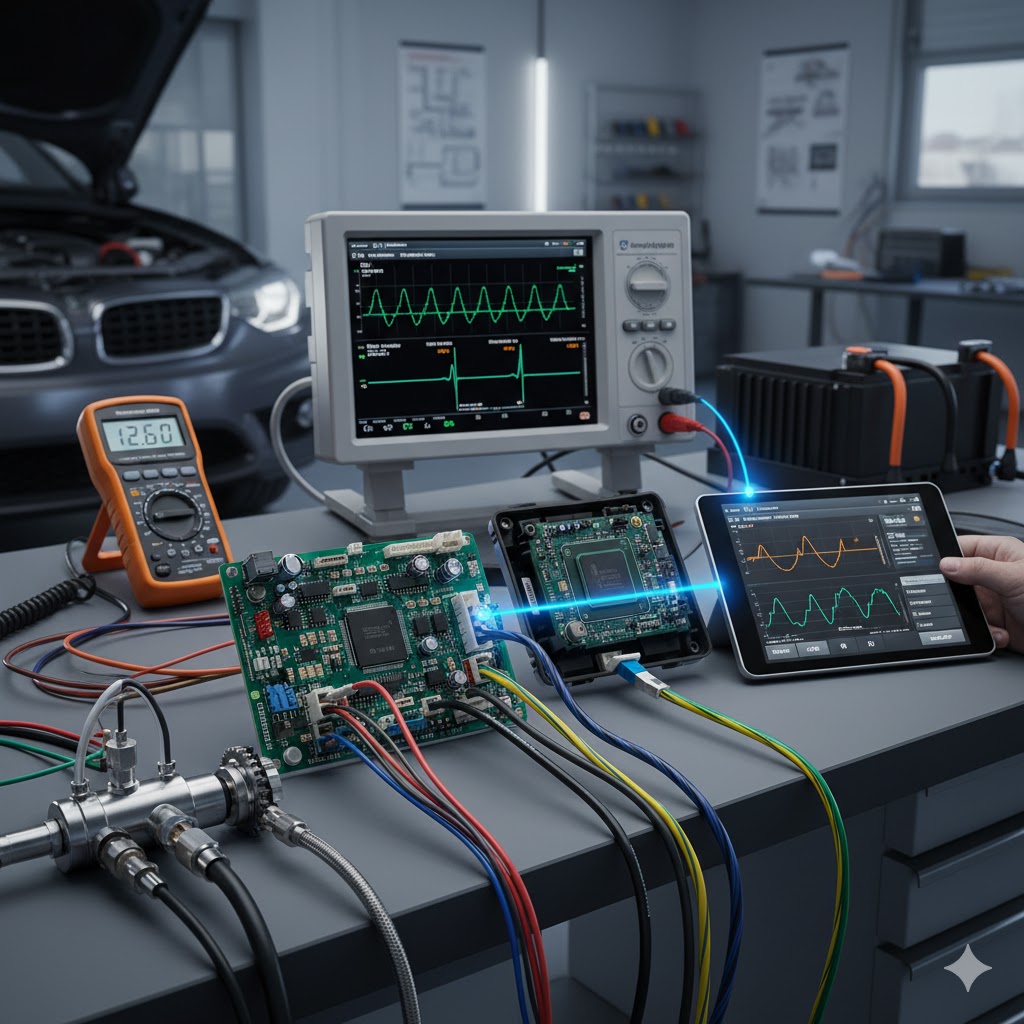
This course provides a comprehensive understanding of the systems and tools crucial for modern vehicle diagnostics and maintenance. It begins by establishing the foundational Automotive Electrical System (Battery, charging circuit, and Lithium-ion technology for EVs), and reviewing the Fundamental Laws (Ohm, Power, Kirchhoff) and signal types (Analog/Digital). The core of the program details the Measurement Chain Architecture—from the conversion of physical quantities into electrical signals by various Sensors and Transducers (passive/active, speed/position), through the necessary Signal Conditioning (filtering, linearization, calibration) and A/D Conversion. Emphasis is placed on Embedded Measurement Systems and modern data transmission via the CAN Bus and diagnostic protocols (OBD-II). Finally, the course develops practical, hands-on skills in using essential Measurement Instruments—specifically the Multimeter (V, I, R) and the Oscilloscope (complex signal analysis)—and culminates in the Practical Application of data analysis and interpretation for effective vehicle troubleshooting and maintenance.
- المعلم: mounir rouabah
Objectifs de l’enseignement :
• Comprendre les bases de l’électricité industrielle, en particulier les circuits de commande, les
moteurs et leur protection ;
• Développer des compétences pratiques pour lire et réaliser des schémas d’installation.
- المعلم: abdallah faleh
 fds.png
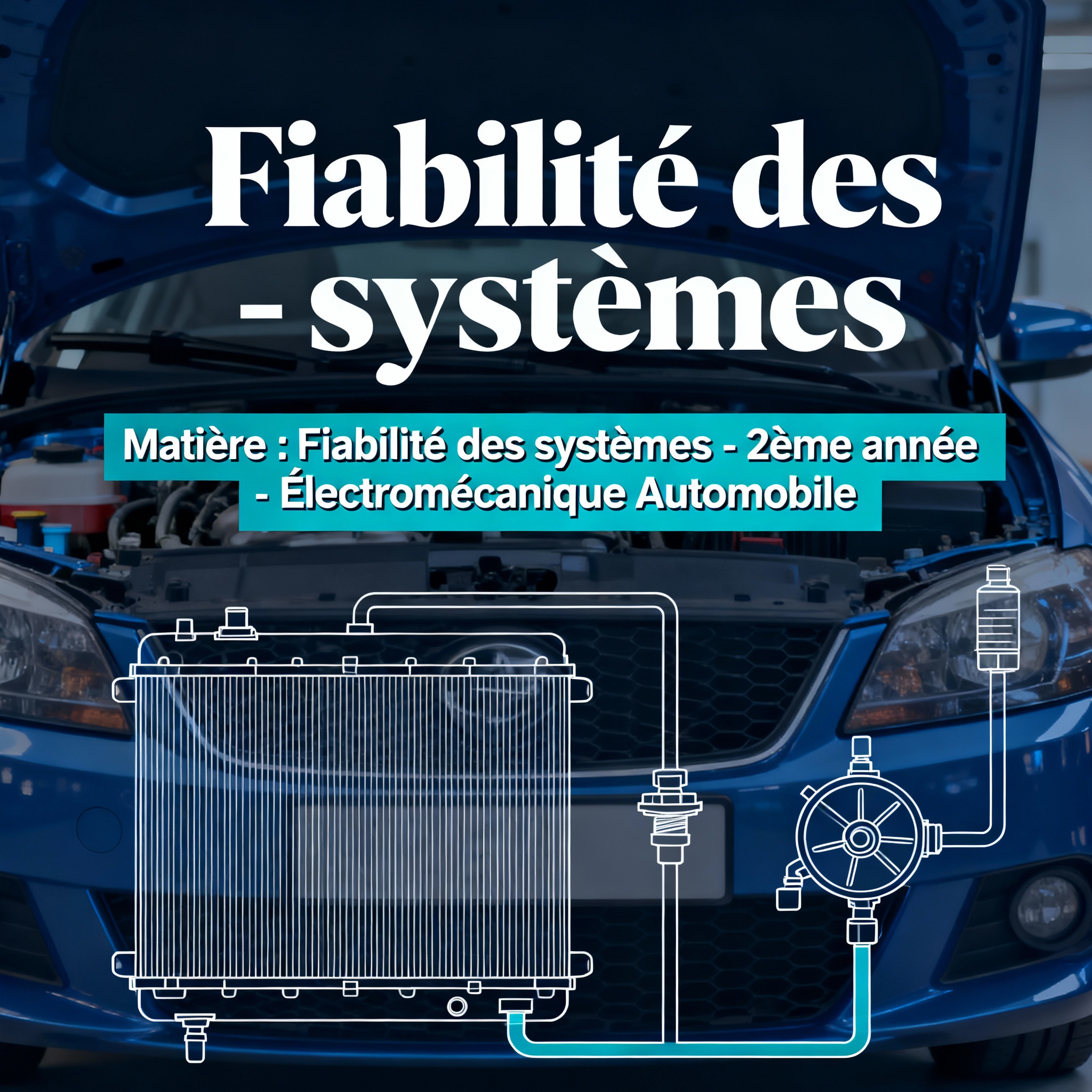
Objectifs de l’enseignement :
· Comprendre les principes fondamentaux de la fiabilité appliqués aux systèmes électromécaniques ;
· Analyser les modes de défaillance et proposer des solutions préventives ;
· Maîtriser les outils d’évaluation de la fiabilité dans le secteur automobile.
- المعلم: Bachir SELMOUNE
- المعلم: madani grine
Objectifs de l’enseignement :
• Comprendre les bases de mesure et l`installation de l’électricité industrielle, en particulier les circuits de commande des les moteurs electrique et leur protection ;
• Développer des compétences pratiques pour lire et réaliser des schémas d’installation.
- المعلم: abdallah faleh